Medical Weight Loss vs. Dieting: What Actually Works?
Why 95% of diets fail—and how medical weight loss with aesthetic support creates lasting transformation
If you've ever lost weight on a diet only to gain it all back (plus a few extra pounds), you're not alone. You're also not failing—your biology is working exactly as designed. The problem isn't your willpower. It's that dieting alone fights against your body's most powerful survival mechanisms.
After 15 years in healthcare, I've seen the same pattern repeat itself: patients try every diet imaginable, lose weight temporarily, and then watch helplessly as the weight returns. But when we combine physician-supervised medical weight loss with strategic aesthetic treatments, something remarkable happens—sustainable transformation that honors both your health goals and your natural beauty.
Let me explain why diets fail, what actually works, and why aesthetic treatments throughout your weight loss journey isn't vanity—it's strategy.
Why Don't Diets Work? The Biology of Weight Loss Resistance
Your Body's Set Point: The Weight It Fights to Maintain
Your body has a "set point"—a weight range it considers normal and will defend aggressively. This set point is regulated by your basal metabolic rate (BMR), hormones like leptin and ghrelin, and complex feedback loops between your brain, fat cells, and metabolism.
Here's what happens when you try to lose weight through dieting alone:
Week 1-2 of Your Diet:
- You cut calories and increase exercise
- You lose 5-10 pounds (mostly water weight)
- You feel motivated and in control
Week 3-6:
- Your body senses "starvation" (even though you're eating enough calories per day)
- Your metabolism slows to conserve energy
- Hunger hormones (ghrelin) increase
- Satiety hormones (leptin) decrease
- Result: You're constantly hungry, tired, and burning fewer calories
Week 8-12:
- Your body enters "survival mode"
- Your weight plateaus despite eating less and exercising more
- Your body works to restore your set point
- This results in most people gaining the weight back
This isn't a character flaw. This is your evolutionary survival mechanism doing its job. Your body doesn't know the difference between a voluntary diet and a famine—it just knows you're losing weight, and it will fight back.
What Actually Works: Medical Weight Loss
Medical weight loss works differently because it addresses the root cause: your body's hormonal regulation of weight.
How GLP-1 Medications Reset Your Set Point
Medications like semaglutide (Wegovy, Ozempic) and tirzepatide (Mounjaro, Zepbound) are game-changers because they work at the hormonal level.
Here's what GLP-1 medications do:
- Reduce appetite at the brain level
Target GLP-1 receptors in the hypothalamus (your brain's hunger control center)
- Decrease "food noise"—the constant mental chatter about food
- Help you feel satisfied with smaller portions (not white-knuckling hunger)
- Slow gastric emptying
- Food stays in your stomach longer
- You feel fuller for 3-4 hours after eating (vs. hungry again in 1 hour)
- Reduces cravings and between-meal snacking
- Improve insulin sensitivity
- Your body becomes more efficient at burning fat for fuel
- Reduces insulin resistance (a major driver of weight gain)
- Stabilizes blood sugar (fewer energy crashes and cravings)
- Reset your metabolic set point
- Unlike dieting (which slows metabolism), GLP-1s help maintain metabolic rate
- Your body accepts the new lower weight as "normal"
- Makes long-term maintenance possible
Clinical results:
- Average weight loss: 15-20% of body weight (compared to 5-8% with dieting alone)¹
- Over 75% of patients maintain weight loss at 2 years with GLP-1 medications (compared to only 20% with dieting alone)²
- Improvements in blood pressure, cholesterol, A1C, inflammation
Why Physician Supervision Matters
Medical weight loss isn't just getting a prescription and figuring it out on your own. Effective treatment requires:
Personalized Dosing:
- Starting dose, titration schedule, and maintenance dose vary by individual
- Side effect management (nausea, constipation, fatigue)
- Adjustments based on weight loss rate and tolerance
Monitoring & Support:
- Monthly body composition analysis (are you losing fat or muscle?)
- Lab work (metabolic panel, A1C, lipids, thyroid)
- Nutritional guidance (protein intake is critical to preserve muscle)
- Accountability and troubleshooting
Safety Screening:
- Not everyone is a candidate (history of pancreatitis, thyroid cancer, etc.)
- Drug interactions and contraindications
- Pregnancy planning considerations
This is why telehealth companies that mail medication without ongoing physician oversight often produce poor results—or worse, harm.
A Missing Piece: Aesthetic Consultation Throughout Weight Loss
Here's what most weight loss programs ignore: where you lose weight matters just as much as how much you lose.
The "Ozempic Face" Problem
You've probably seen it, heard about it—or experienced it yourself. Rapid weight loss often leads to:
- Hollow, sunken cheeks
- Deepened under-eye hollows (tear troughs)
- Loss of facial volume (temples, mid-face)
- Sagging jowls and neck (loss of fat support)
- Crepey, thin-looking skin
Why does this happen?
When you lose weight, your body pulls fat from everywhere—including your face. Facial fat provides structural support, creating a youthful, lifted appearance. When that fat disappears rapidly:
- You lose the "scaffolding" that kept your face looking plump and youthful
- Skin that was stretched over fuller contours now sags
- Volume depletion makes fine lines and wrinkles look deeper
- You may look older, more tired, or "gaunt" despite being healthier
Here's the cruel irony: You hit your goal weight, your clothes fit better, your labs improve—but you look in the mirror and think, "I look exhausted. I look old. Is this really better?"
This is why aesthetic consultation throughout your weight loss journey isn't vanity—it's medical strategy.
How Strategic Aesthetic Treatments Preserve (and Enhance) Your Natural Beauty
When you integrate aesthetic treatments into your medical weight loss plan, you can lose fat where you want (abdomen, thighs, arms) while maintaining or enhancing facial volume, skin quality, and body contour.
1. Facial Volume Preservation (Dermal Fillers & Biostimulators)
Why it matters: As you lose weight, facial volume changes monthly. Strategic filler placement can:
- Restore mid-face fullness (cheeks, under-eyes)
- Maintain jawline definition
- Prevent the "hollow temple" look
- Soften nasolabial folds that deepen with volume loss
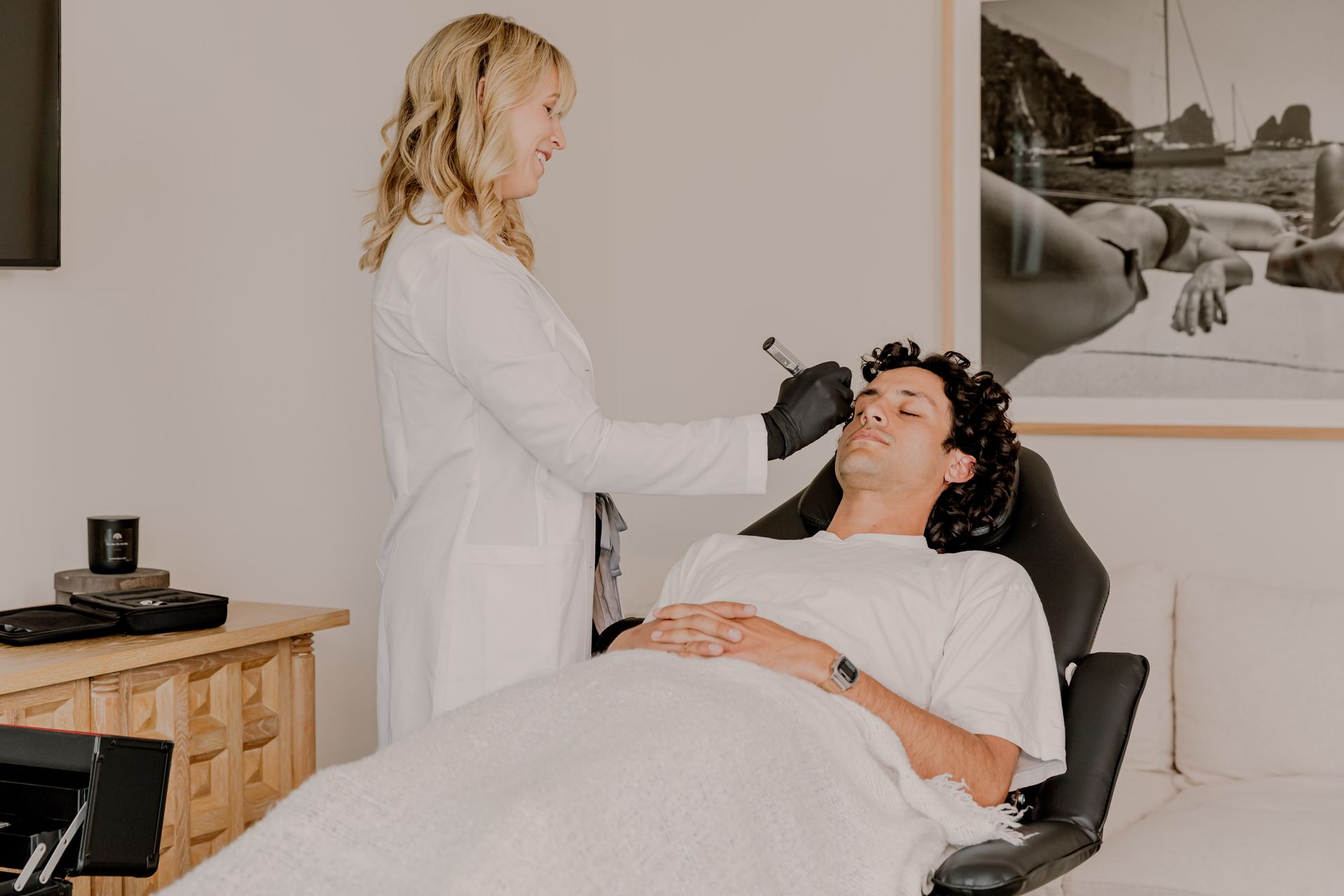
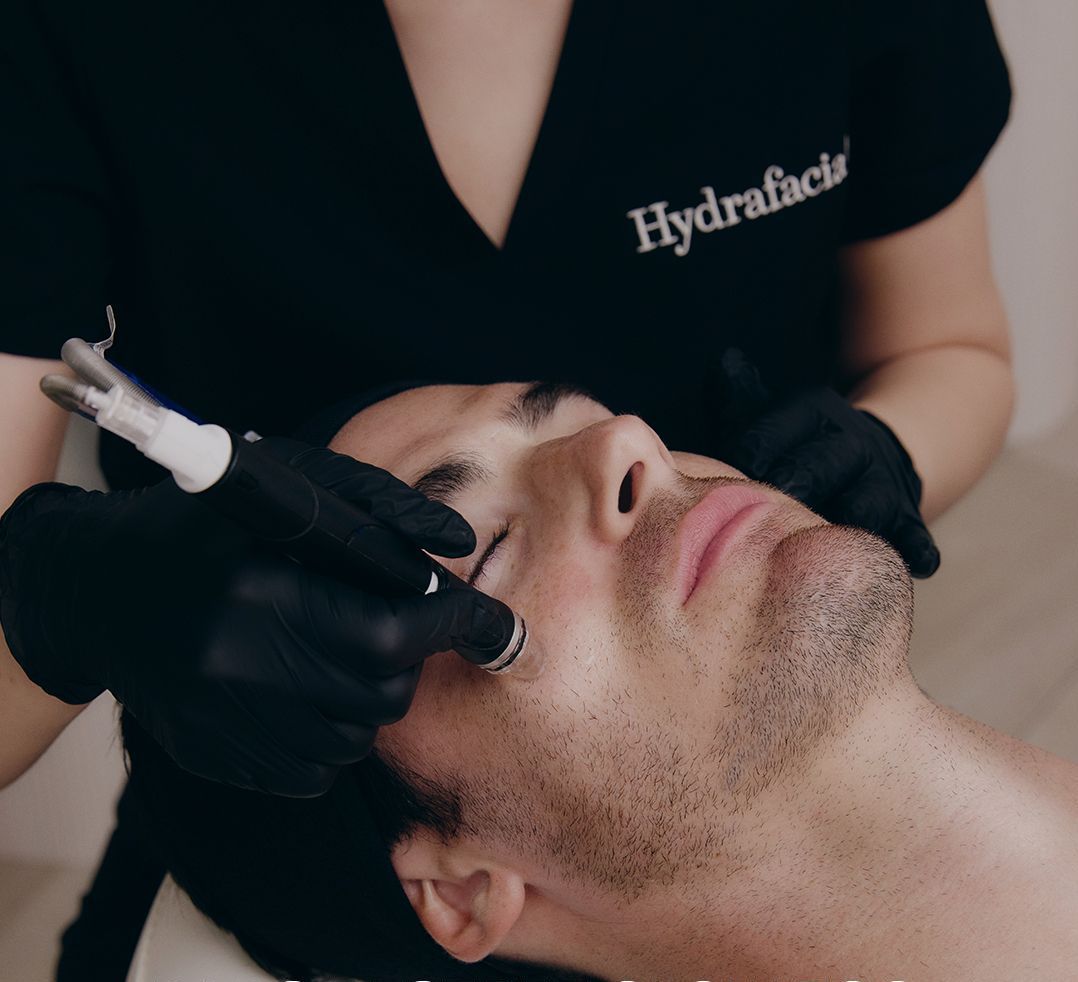
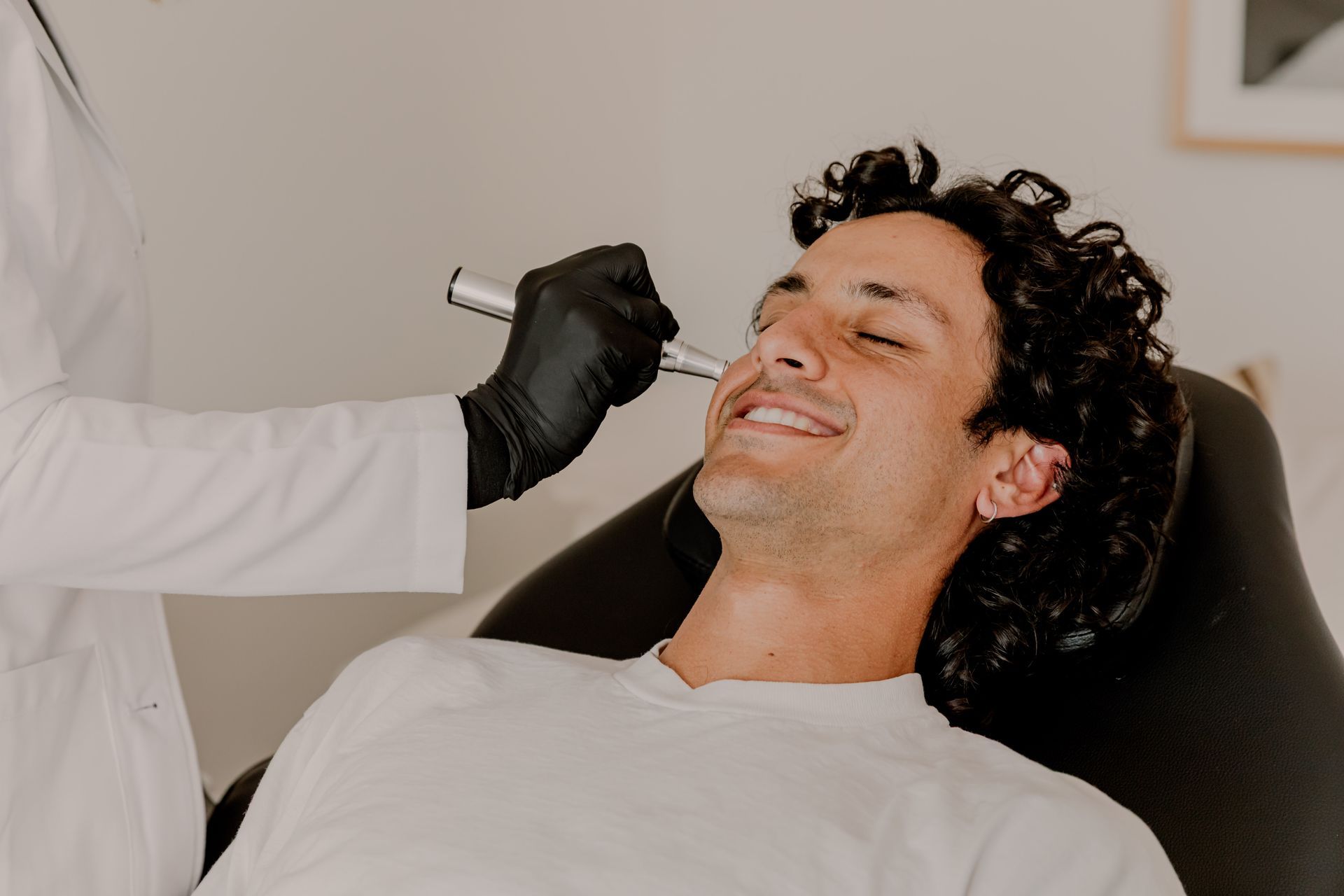
2. Skin Quality Optimization (Chemical Peels, Microneedling)
Why it matters: Weight loss can leave skin looking dull, crepey, or loose—especially if you're over 40. Proactive skin treatments during weight loss:
- Stimulate collagen and elastin production
- Improve skin texture and tone
- Tighten mild to moderate laxity
- Enhance radiance and reduce pigmentation
3. Body Contouring & Skin Tightening
Why it matters: Even with significant weight loss, you may have:
- Stubborn fat pockets that won't budge (love handles, lower abdomen, bra rolls)
- Loose, sagging skin (arms, abdomen, thighs)
- Loss of muscle definition
Non-surgical body contouring helps you achieve the sculpted, toned look you're working toward.
4. Muscle Preservation & Enhancement (Peptides, Strength Training, Emsculpt)
Why it matters: One of the biggest mistakes in weight loss: losing muscle along with fat. Muscle loss:
- Slows your metabolism (making maintenance harder)
- Creates a "skinny fat" appearance (low weight but high body fat percentage)
- Reduces strength and energy
- Makes you look less toned/defined
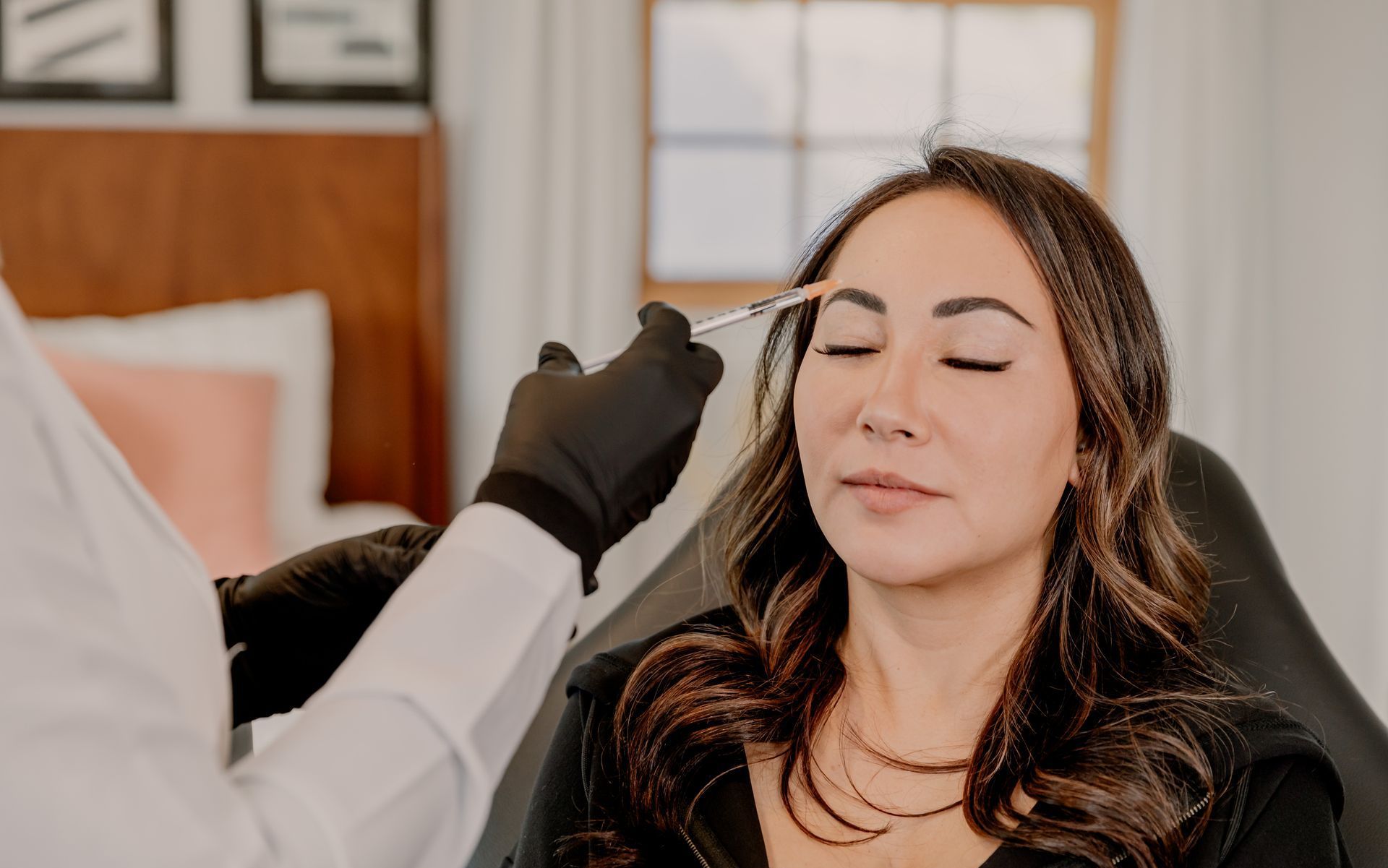
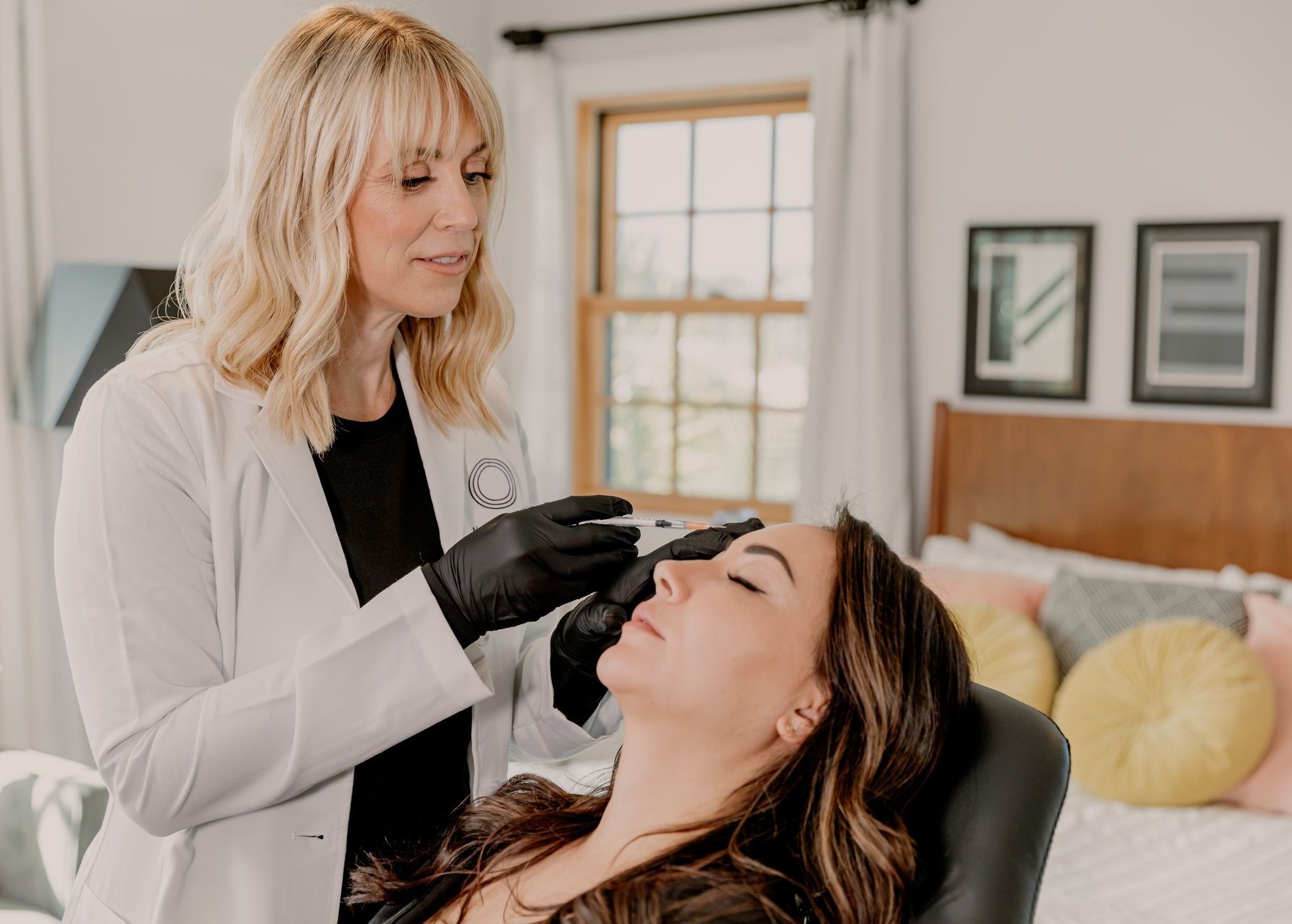
5. Neuromodulators (Botox) for Dynamic Lines
Why it matters: As you lose facial fat, dynamic wrinkles (forehead lines, crow's feet, frown lines) can become more prominent. Strategic Botox use:
- Softens expression lines without freezing your face
- Prevents new wrinkles from forming as skin becomes thinner
- Creates a refreshed, rested appearance
- Complements volume restoration (fillers + Botox = comprehensive rejuvenation)
At Glomi Wellness Lab, we don't separate weight loss from aesthetic care—we integrate them from day one.
Ready to Transform? Here's Your Next Step
Medical weight loss combined with strategic aesthetic treatment isn't about vanity—it's about honoring your health goals while preserving the face and body you love.
You don't have to choose between being thin and looking tired. You don't have to accept "Ozempic face" as the price of weight loss. And you definitely don't have to keep failing at diets that were never designed to work long-term.
Book your free consultation today and let's create your personalized transformation plan.
📞 Call/Text:
(442) 222-8485
📧 Email:
scheduling@glomiwellnesslab.com
We serve patients throughout San Diego County, including Vista, Carlsbad, Encinitas, Rancho Santa Fe, San Marcos, and surrounding areas. Mobile service available—luxury treatments in the comfort of your home.
About Dr. Kristin Dean
Dr. Kristin Dean is a board-certified Family Medicine physician and founder of Glomi Wellness Lab. With over 15 years of medical experience, she specializes in physician-supervised medical weight loss and aesthetic medicine. Her integrated approach combines evidence-based medical treatment with strategic aesthetic care to help patients achieve sustainable transformation—inside and out.
Disclaimer: This blog post is for educational purposes only and does not constitute medical advice. Individual results vary. Always consult with a qualified healthcare provider before starting any weight loss program or aesthetic treatment. GLP-1 medications are prescription-only and require medical evaluation for safety and appropriateness.
REFERENCES:
- Wilding JP, Batterham RL, Calanna S, et al. Once-Weekly Semaglutide in Adults with Overweight or Obesity. N Engl J Med. 2021;384(11):989-1002.
- Garvey WT, Batterham RL, Bhatta M, et al. Two-year effects of semaglutide in adults with overweight or obesity: the STEP 5 trial. Nat Med. 2022;28(10):2083-2091.